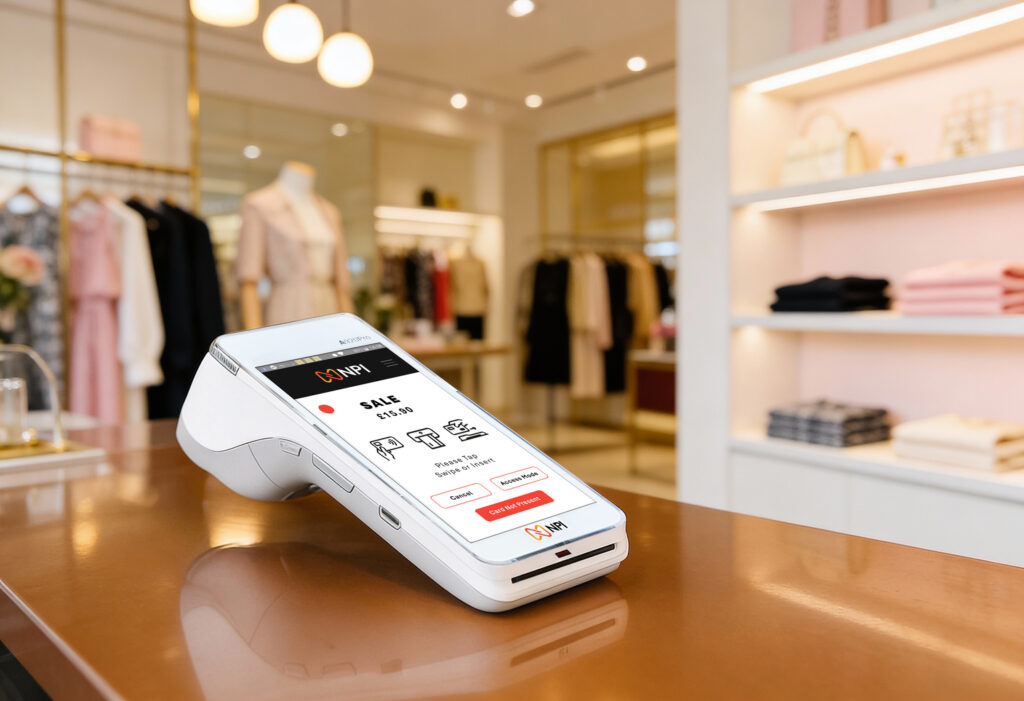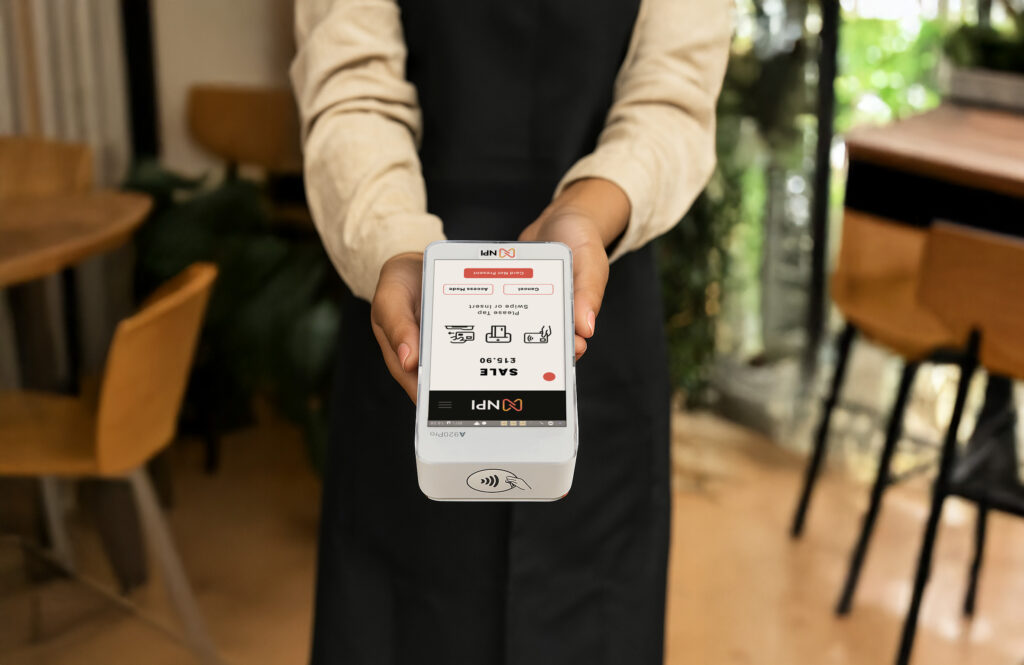

Open banking UK is changing how businesses accept payments, offering a modern alternative to traditional card transactions. This secure, regulated system allows customers to pay directly through bank transfer payments UK, connecting their accounts instantly to complete purchases. For business owners tired of high processing fees and slow settlement times, account-to-account UK payments present an exciting opportunity to streamline operations whilst reducing costs.
Did you know that businesses can save up to 80% on transaction fees by adopting open banking payments? Let’s explore why forward-thinking companies across Britain and Ireland are making the switch.
What Open Banking UK Actually Means for Your Business
Open banking UK creates a secure bridge between your customers’ banks and your business. Think of it as giving your customers permission to share their banking data or initiate payments directly through their banking app, all regulated under strict Financial Conduct Authority guidelines.
When a customer chooses to pay via bank transfer payments UK, they authenticate through their own banking app using fingerprint, face recognition, or their usual security method. The payment travels directly through the banking system, cutting out the middleman entirely.
This isn’t about replacing card payments completely. Rather, account-to-account UK options give your customers more choice at checkout, particularly appealing to those who prefer not to share card details or want instant confirmation of payment.
Real Cost Savings That Impact Your Bottom Line
Traditional card payments typically cost businesses between 1.5% to 3% per transaction. For a business processing £100,000 monthly, that’s £1,500 to £3,000 in fees alone.
Account-to-account UK payments usually charge a fixed fee per transaction, often as low as 1p to 30p regardless of payment amount. The maths becomes compelling quickly:
Example calculation: A café processing 500 transactions monthly at £15 average:
- Card payments at 2%: £150 in fees
- Open banking UK payments: £15 to £150 in fees (depending on provider)
- Potential annual saving: £1,620
Beyond direct fees, bank transfer payments UK settle faster than card payments. Your money arrives in your account within hours, not the usual 2 to 3 days, improving cash flow significantly. According to UK Finance, faster settlement can reduce working capital requirements by up to 15% for small businesses.
How to Implement Bank Transfer Payments UK in Your Business
Getting started with open banking UK doesn’t require a technical overhaul. Most payment providers now offer simple integration options suitable for various business types.
For online businesses: Add an open banking option at checkout alongside existing payment methods. Your payment provider typically supplies a plug-in or API that integrates with your website in a few hours. Customers select the bank transfer option, choose their bank, and authenticate through their banking app.
For physical locations: Generate QR codes or payment links that customers scan with their phones. They authenticate the payment through their banking app whilst standing at your counter. The confirmation appears on your terminal within seconds.
For invoicing businesses: Include a “Pay by Bank” link in your invoices. Customers click, authenticate, and the payment processes instantly. You receive notification immediately, eliminating the uncertainty of when invoices get paid.
The Open Banking Implementation Entity provides detailed technical standards, but most businesses find their payment provider handles the complexity behind the scenes.
Security and Trust in Account-to-Account UK Transactions
Security concerns often surface when discussing new payment methods, but open banking UK operates under robust regulatory frameworks designed specifically for consumer protection.
Every transaction requires strong customer authentication through the customer’s own banking app. They never share passwords or sensitive details with your business. The authentication happens entirely within their bank’s secure environment, using methods they already trust like biometric verification.
Open banking providers must be authorised by the FCA and comply with the Payment Services Regulations 2017. These regulations mandate:
- Multi-factor authentication for all transactions
- End-to-end encryption of payment data
- Regular security audits and compliance checks
- Consumer liability protection similar to card payments
Banks themselves built this infrastructure, meaning it carries the same security standards protecting everyday online banking. For customers nervous about sharing card details with unfamiliar businesses, bank transfer payments UK often feel more secure because authentication stays within their trusted banking environment.
The Customer Experience Advantage
Modern consumers expect choice and convenience. Offering multiple payment options, including open banking UK, demonstrates that your business prioritises customer preferences.
Younger customers particularly appreciate bank transfer payments UK. Research indicates that 18 to 34 year olds show higher trust in payments authenticated through their banking apps compared to entering card details on websites.
The checkout process feels natural for customers already comfortable with mobile banking. They tap “Pay by Bank,” select their financial institution, authenticate with their usual method, and return to your site with instant confirmation. No typing card numbers, expiry dates, or security codes.
Failed payments decrease significantly with account-to-account UK options. Card declines due to incorrect details, expired cards, or fraud blocks disappear entirely. The customer either has sufficient funds and successfully authenticates, or they don’t. This simplicity reduces checkout abandonment and improves conversion rates.
Making the Switch: Practical Next Steps
Adopting open banking UK doesn’t mean abandoning card payments overnight. Most businesses introduce bank transfer payments UK as an additional option, monitoring adoption rates over time.
Start by:
- Speaking with your current payment provider about their open banking capabilities. Many already offer this service at no additional setup cost.
- Testing the customer journey yourself. Experience how intuitive the process feels before rolling it out to customers.
- Promoting the new option subtly. A small note like “Now accepting instant bank payments” can encourage trial without overwhelming customers.
- Monitoring cost savings and settlement speeds. Track actual performance against your previous payment processing costs.
- Gathering customer feedback. Ask customers about their experience to refine the process.
The implementation often proves simpler than anticipated. Most businesses report being operational with open banking UK within a week of initial conversations with their payment provider.
Final Thoughts
Open banking UK represents genuine innovation in how British and Irish businesses accept payments. The combination of reduced fees, faster settlement, and enhanced security creates compelling reasons to explore account-to-account UK options for your business.
Bank transfer payments UK won’t suit every transaction or customer, but offering choice positions your business as modern and customer-focused. The potential cost savings alone justify investigation, particularly for businesses processing significant transaction volumes.
Ready to Explore Open Banking for Your Business?
Our team at New Payment Innovation understands that payment processing can feel complex. We’re here to explain your options clearly, without pressure or technical jargon. Let’s have a straightforward conversation about how open banking UK could benefit your specific situation.
Call us on 023 8001 9998 or visit npi.uk to discuss your payment processing needs. We’ll help you understand the real costs, benefits, and implementation steps for your business.